| Weight | 1 lbs |
|---|---|
| Dimensions | 9 × 5 × 2 in |
| host | mouse |
| isotype | IgG |
| clonality | monoclonal |
| concentration | concentrate, predilute |
| applications | IHC |
| reactivity | human |
| available size | 0.1 mL, 0.5 mL, 1 mL concentrated, 7 mL prediluted |

rabbit anti-CTLA-4 monoclonal antibody (ZR452) 6130
Price range: $160.00 through $528.00
Antibody summary
- Rabbit monoclonal to CTLA-4
- Suitable for: Immunohistochemistry (formalin-fixed, paraffin-embedded tissues)
- Reacts with: Human
- Isotype:IgG
- Control: Lymph node or tonsil
- Visualization: Secreted and cell surface
- 0.1, 0.5, 1.0 mL concentrated, 7 mL prediluted
rabbit anti-CTLA-4 monoclonal antibody ZR452 6130
| target relevance |
|---|
| Homo sapiens CTLA4 Cytotoxic T-lymphocyte protein 4 |
| Protein names Cytotoxic T-lymphocyte protein 4 |
| Alternative names Cytotoxic T-lymphocyte-associated antigen 4 |
| Gene names CTLA4 |
| Function Inhibitory receptor acting as a major negative regulator of T-cell responses (PubMed:11279501, PubMed:11279502, PubMed:16551244, PubMed:1714933, PubMed:18641304, PubMed:28484017). Acts as a decoy receptor: the affinity of CTLA4 for its natural B7 family ligands, CD80 and CD86, is considerably stronger than the affinity of their cognate stimulatory coreceptor CD28 (PubMed:11279501, PubMed:11279502, PubMed:16551244, PubMed:1714933, PubMed:28484017) |
| Subcellular location Cell membrane |
| Structure Homodimer; disulfide-linked (PubMed:11279501, PubMed:11279502, PubMed:21156796, PubMed:28484017, Ref.24). Interacts with ICOSLG (PubMed:28484017) |
| Post-translational modification N-glycosylation is important for dimerization Phosphorylation at Tyr-201 prevents binding to the AP-2 adapter complex, blocks endocytosis, and leads to retention of CTLA4 on the cell surface |
| Involvement in disease Systemic lupus erythematosus A chronic, relapsing, inflammatory, and often febrile multisystemic disorder of connective tissue, characterized principally by involvement of the skin, joints, kidneys and serosal membranes. It is of unknown etiology, but is thought to represent a failure of the regulatory mechanisms of the autoimmune system. The disease is marked by a wide range of system dysfunctions, an elevated erythrocyte sedimentation rate, and the formation of LE cells in the blood or bone marrow. Type 1 diabetes mellitus 12 A multifactorial disorder of glucose homeostasis that is characterized by susceptibility to ketoacidosis in the absence of insulin therapy. Clinical features are polydipsia, polyphagia and polyuria which result from hyperglycemia-induced osmotic diuresis and secondary thirst. These derangements result in long-term complications that affect the eyes, kidneys, nerves, and blood vessels. Celiac disease 3 A multifactorial, chronic disorder of the small intestine caused by intolerance to gluten. It is characterized by immune-mediated enteropathy associated with failed intestinal absorption, and malnutrition. In predisposed individuals, the ingestion of gluten-containing food such as wheat and rye induces a flat jejunal mucosa with infiltration of lymphocytes. Immune dysregulation with autoimmunity, immunodeficiency, and lymphoproliferation An autosomal dominant primary immunodeficiency characterized by severe autoimmunity, infiltration of non-lymphoid organs, such as the intestine, lungs and brain, by hyperactive T cells and B cells, autoimmune cytopenias, and hypogammaglobulinemia in early childhood. |
| Keywords 3D-structure, Adaptive immunity, Alternative splicing, Cell membrane, Diabetes mellitus, Disease variant, Disulfide bond, Glycoprotein, Immunity, Immunoglobulin domain, Membrane, Pharmaceutical, Phosphoprotein, Proteomics identification, Reference proteome, Signal, Systemic lupus erythematosus, Transmembrane, Transmembrane helix |
| Sequence MACLGFQRHKAQLNLATRTWPCTLLFFLLFIPVFCKAMHVAQPAVVLASSRGIASFVCEY ASPGKATEVRVTVLRQADSQVTEVCAATYMMGNELTFLDDSICTGTSSGNQVNLTIQGLR AMDTGLYICKVELMYPPPYYLGIGNGTQIYVIDPEPCPDSDFLLWILAAVSSGLFFYSFL LTAVSLSKMLKKRSPLTTGVYVKMPPTEPECEKQFQPYFIPIN |
| UniProt accession: P16410 |
Data
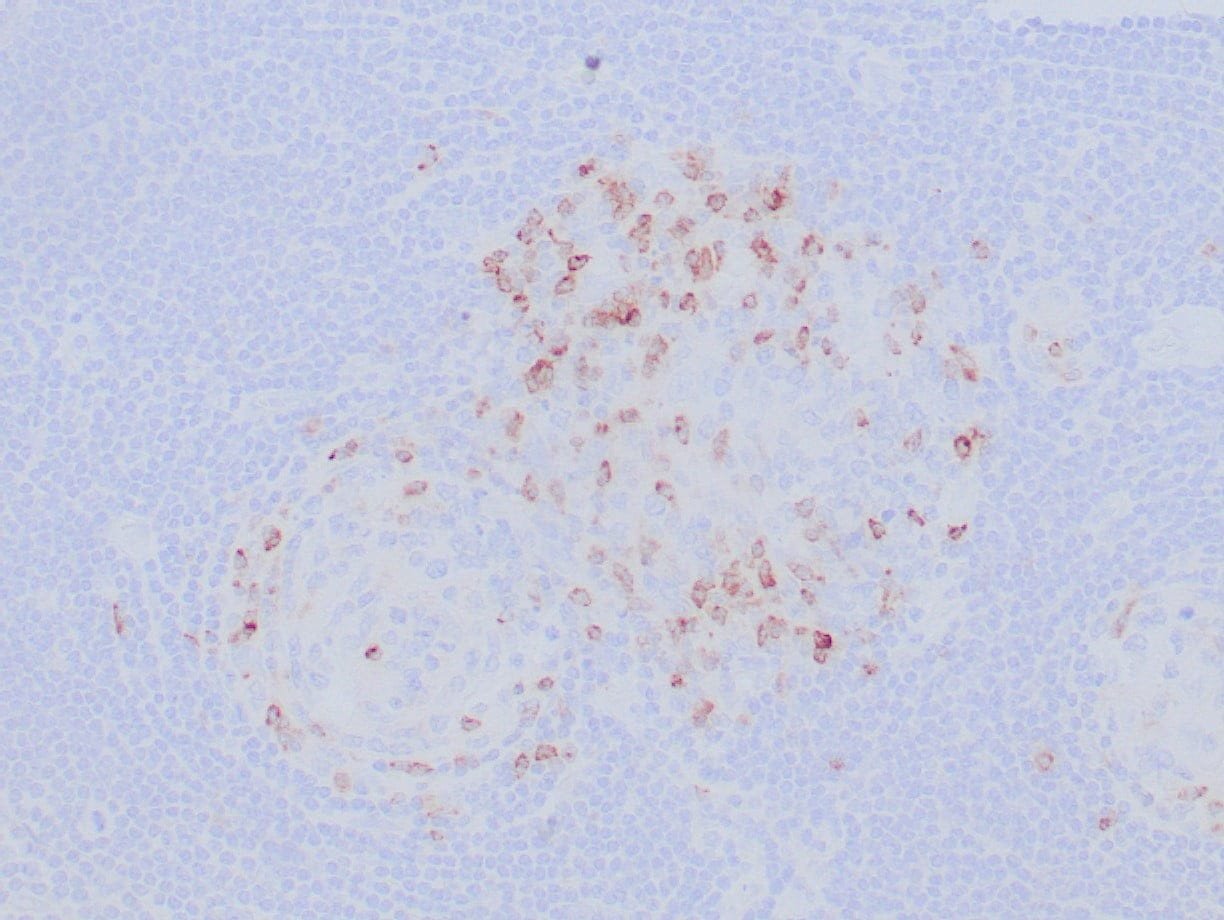 |
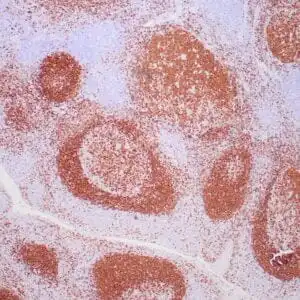
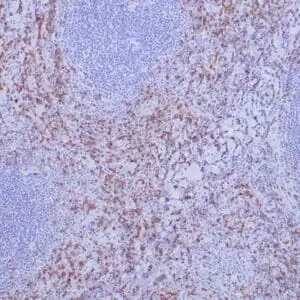
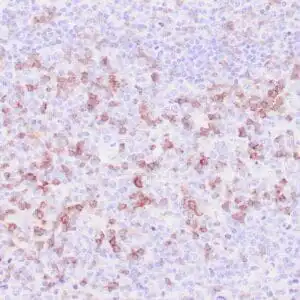
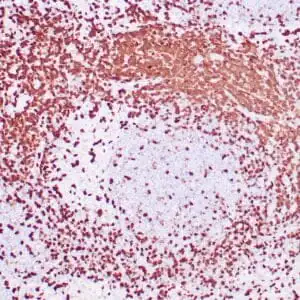
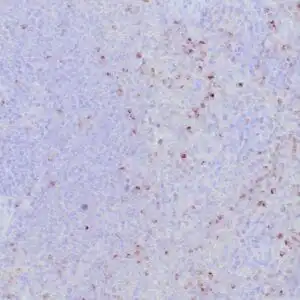
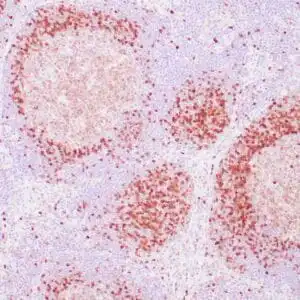
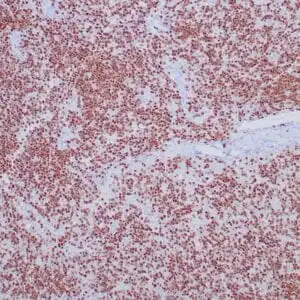
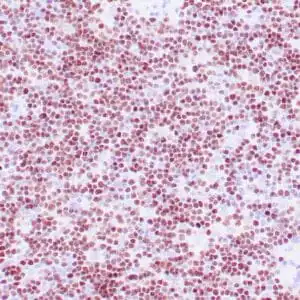
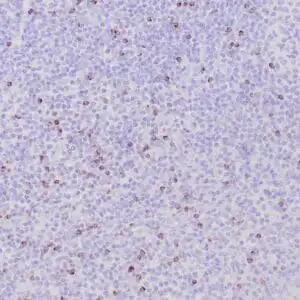
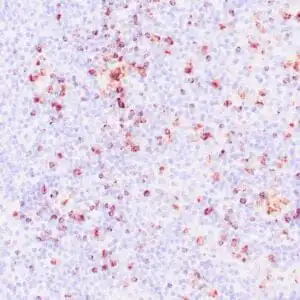
| Formalin-fixed, paraffin-embedded human tonsil stained with anti-CTLA4 antibody using peroxidase-conjugate and DAB chromogen. Note the cytoplasmic staining of cytotoxic T-cells |
FAQ & Publications
Frequently Asked Questions
What are the recommended applications and dilutions for the rabbit anti-CTLA-4 monoclonal antibody (ZR452) 6130?
This antibody is suitable for immunohistochemistry (IHC) on formalin-fixed, paraffin-embedded human tissues. The recommended dilution for the concentrated antibody is 1:100 to 1:200. Positive controls include lymph node or tonsil tissue.
How should the rabbit anti-CTLA-4 monoclonal antibody (ZR452) 6130 be stored to maintain stability?
For short-term storage, keep the antibody at 2-8°C. For longer-term storage, it should be kept at -20°C. Avoid repeated freeze/thaw cycles to preserve antibody integrity.
Publications
| pmid | title | authors | citation |
|---|---|---|---|
| We haven't added any publications to our database yet. | |||
Published literature highly relevant to the biological target of this product and referencing this antibody or clone are retrieved from the PubMed database provided by the United States National Library of Medicine at the National Institutes of Health.
Protocols
| relevant to this product |
|---|
| IHC |
Documents
| Batch Number | QC File | SDS |
|---|---|---|
| To view batch-specific Safety Datasheets and Quality Certificates associated with your account, please Log In. | ||
Only logged in customers who have purchased this product may leave a review.


Reviews
There are no reviews yet.