| Weight | 1 lbs |
|---|---|
| Dimensions | 9 × 5 × 2 in |
| target | Candida albicans reactive IgG |
| species reactivity | Candida albicans |
| applications | ELISA |
| assay type | Indirect & quantitative |
| available sizes | 96 tests |

Candida albicans IgG ELISA kit-SERION classic ESR117G
$398.00
Summary
- Virion/Serion Diagnostic Kit for research use (RUO)
- Candida albicans IgG ELISA Kit
- Suitable for IgG detection
- Ready-to-use
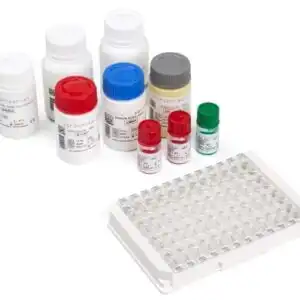
- 96 tests
Candida albicans IgG ELISA Kit ESR117G
| kit | ||||||||||||||||||
|---|---|---|---|---|---|---|---|---|---|---|---|---|---|---|---|---|---|---|
| Assay type Indirect ELISA | ||||||||||||||||||
| Research area Infectious Disease | ||||||||||||||||||
| Sample type Serum, plasma, whole blood | ||||||||||||||||||
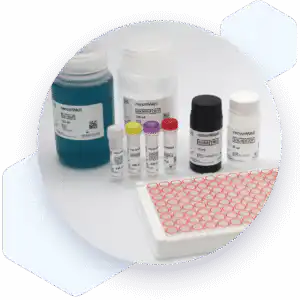
Components
| ||||||||||||||||||
| Storage Store at 2-8°C. | ||||||||||||||||||
| Associated products Candida albicans Antigen (BA117VS) Candida Antigen Assay Control (BC200) Candida albicans IgA Control Serum (BC117A) Candida albicans IgG Control Serum (BC117G) Candida albicans IgM Control Serum (BC117M) Candida albicans IgA ELISA Kit (ESR117A) Candida albicans IgG ELISA Kit (ESR117G) Candida albicans IgM ELISA Kit (ESR117M) Candida Antigen Detection ELISA Kit (ESR200) |
| target relevance |
|---|
| Candida albicans |
| Description Fungus that causes candidiasis and opportunistic fungal infections |
| Structure Candida albicans is a dimorphic yeast-like fungus belonging to the family Debaryomycetaceae and is the most common cause of human candidiasis. The organism normally colonizes the oral cavity, gastrointestinal tract, genitourinary tract, and skin of healthy individuals as part of the normal microbiota. Candida albicans exhibits remarkable morphological flexibility and can transition between yeast, pseudohyphal, and true hyphal forms depending on environmental conditions. This ability to undergo morphologic switching is an important virulence factor that facilitates tissue invasion, immune evasion, and biofilm formation. C. albicans is an opportunistic pathogen that typically causes disease when host defenses are compromised, microbiota balance is disrupted, or anatomical barriers are breached. It is one of the most common fungal pathogens responsible for both superficial mucosal infections and invasive systemic disease. |
| Diagnosis The diagnosis of Candida albicans infection is performed through microbiological, microscopic, molecular, and serological methods. Direct microscopic examination of clinical specimens using potassium hydroxide preparations, Gram staining, or fungal stains may reveal budding yeast cells, pseudohyphae, and hyphae. Culture on fungal media remains a standard diagnostic method and allows species identification and antifungal susceptibility testing. Molecular techniques such as polymerase chain reaction (PCR) provide rapid and sensitive detection of Candida DNA. In cases of invasive candidiasis, blood cultures, beta-D-glucan assays, antigen detection tests, and advanced molecular diagnostics may assist in diagnosis. Histopathological examination of affected tissues can demonstrate fungal invasion and support the diagnosis of invasive disease. |
| Symptoms Candida albicans infections range from mild superficial disease to life-threatening systemic infections. Oral candidiasis (thrush) commonly presents with white plaques on the tongue and oral mucosa, soreness, and difficulty swallowing. Vulvovaginal candidiasis is characterized by itching, irritation, redness, burning, and abnormal vaginal discharge. Cutaneous candidiasis may cause erythematous, moist, and pruritic lesions, particularly in warm skin folds. Invasive candidiasis occurs when the organism enters the bloodstream or deep tissues and may present with persistent fever, chills, sepsis, organ dysfunction, and failure to respond to antibacterial therapy. Patients at highest risk include immunocompromised individuals, transplant recipients, cancer patients, premature infants, and critically ill hospitalized patients. Untreated invasive infection may disseminate to the kidneys, liver, spleen, heart, eyes, brain, and other organs, resulting in significant morbidity and mortality. |
Data
FAQ & Publications
Frequently Asked Questions
What is the primary target detected by the Candida albicans IgG ELISA Kit ESR117G?
The kit is designed to detect Candida albicans reactive IgG antibodies in serum, plasma, or whole blood samples.
Which sample types are compatible with the Candida albicans IgG ELISA Kit ESR117G?
This ELISA kit is suitable for use with serum, plasma, and whole blood samples.
How should the Candida albicans IgG ELISA Kit ESR117G be stored to maintain stability?
The kit components should be stored at 2-8°C to ensure proper preservation and stability.
What is the assay format and principle used in the Candida albicans IgG ELISA Kit ESR117G?
The kit employs an indirect and quantitative ELISA assay format to measure IgG antibody levels against Candida albicans.
How many tests can be performed with one Candida albicans IgG ELISA Kit ESR117G package?
Each kit contains components sufficient for performing 96 individual tests.
Publications
| pmid | title | authors | citation |
|---|---|---|---|
| We haven't added any publications to our database yet. | |||
Published literature highly relevant to the biological target of this product and referencing this antibody or clone are retrieved from the PubMed database provided by the United States National Library of Medicine at the National Institutes of Health.
Protocols
| relevant to this product |
|---|
| ESR117G protocol |
Only logged in customers who have purchased this product may leave a review.

Reviews
There are no reviews yet.