| Weight | 1 lbs |
|---|---|
| Dimensions | 9 × 5 × 2 in |
| target | Antigen |
| species reactivity | Candida |
| applications | ELISA |
| assay type | direct & quantitative, sELISA |
| available sizes | 96 tests |

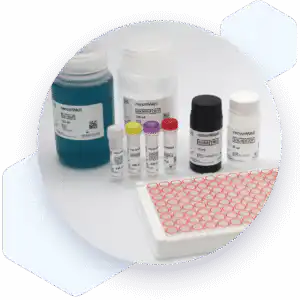
Candida Antigen ELISA kit-SERION classic ESR200
$570.00
Summary
- Virion/Serion Diagnostic Kit for research use (RUO)
- Candida Antigen sELISA Kit
- Ready-to-use
- 96 tests
Candida Antigen ELISA kit ESR200
| kit | ||||||||||||||||||
|---|---|---|---|---|---|---|---|---|---|---|---|---|---|---|---|---|---|---|
| Assay type sandwich ELISA (direct measurement) | ||||||||||||||||||
| Research area Infectious Disease | ||||||||||||||||||
| Sample type Serum, plasma, whole blood | ||||||||||||||||||
| Notes Pretreatment of samples with RF-Absorbent (Z200) is recommended for use with IgM ELISA kits to eliminate presence of sample rheumatoid factors and possible false negative results. | ||||||||||||||||||
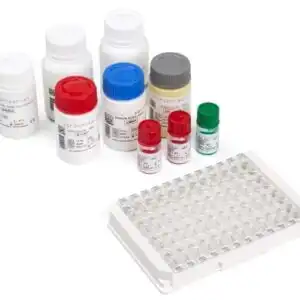
Components
| ||||||||||||||||||
| Storage Store at 2-8°C. | ||||||||||||||||||
| Associated products Candida albicans Antigen (BA117VS) Candida Antigen Assay Control (BC200) Candida albicans IgA Control Serum (BC117A) Candida albicans IgG Control Serum (BC117G) Candida albicans IgM Control Serum (BC117M) Candida albicans IgA ELISA Kit (ESR117A) Candida albicans IgG ELISA Kit (ESR117G) Candida albicans IgM ELISA Kit (ESR117M) Candida Antigen Detection ELISA Kit (ESR200) |
| target relevance |
|---|
| Candida |
| Description Fungal genus that causes candidiasis and opportunistic fungal infections |
| Structure Candida is a genus of yeast-like fungi belonging to the family Debaryomycetaceae. Members of the genus are common commensal organisms that colonize the skin, gastrointestinal tract, oral cavity, and genitourinary tract of healthy individuals. More than 200 species have been identified, with Candida albicans being the most frequently associated with human disease. Other clinically important species include Candida glabrata, Candida tropicalis, Candida parapsilosis, Candida krusei, and Candida auris. Candida species exhibit remarkable morphological plasticity and can exist as budding yeast cells, pseudohyphae, and true hyphae, depending on environmental conditions. This ability to switch between growth forms contributes to tissue invasion, biofilm formation, and virulence. While Candida organisms are normally harmless colonizers, disruption of host defenses or microbiota can result in opportunistic infection. |
| Diagnosis The diagnosis of Candida infection is performed through microbiological, histopathological, serological, and molecular methods. Microscopic examination of clinical specimens using potassium hydroxide preparations, Gram staining, or specialized fungal stains may reveal budding yeast cells and pseudohyphae. Culture on fungal media remains an important diagnostic tool and allows species identification and antifungal susceptibility testing. Blood cultures are commonly used to diagnose invasive candidiasis, although sensitivity may be limited. Molecular methods such as polymerase chain reaction (PCR) and advanced diagnostic assays provide rapid detection and identification of Candida species. Additional tests, including beta-D-glucan assays and antigen detection methods, may support the diagnosis of invasive fungal disease, particularly in immunocompromised patients. |
| Symptoms Candida infections range from superficial mucosal disease to severe life-threatening systemic infections. Oral candidiasis (thrush) commonly presents with white plaques on the tongue and oral mucosa, soreness, and difficulty swallowing. Vulvovaginal candidiasis is characterized by itching, irritation, redness, and abnormal discharge. Cutaneous candidiasis may cause erythematous, moist, and itchy skin lesions, particularly in intertriginous areas. Invasive candidiasis occurs when Candida enters the bloodstream or deep tissues and may present with fever, chills, sepsis, organ dysfunction, and persistent infection despite antibacterial therapy. Patients at greatest risk include those with impaired immunity, prolonged hospitalization, indwelling medical devices, recent surgery, broad-spectrum antibiotic use, or critical illness. Untreated invasive candidiasis can result in dissemination to multiple organs and significant mortality. |
Data
FAQ & Publications
Frequently Asked Questions
What sample types are compatible with the Candida Antigen ESR200 ELISA kit?
The Candida Antigen ESR200 ELISA kit is validated for use with serum, plasma, and whole blood samples.
How should the Candida Antigen ESR200 kit be stored to maintain its stability?
The kit should be stored refrigerated at 2-8°C to preserve reagent integrity and performance.
Is there any recommended pretreatment for samples when using the Candida Antigen ESR200 kit with IgM ELISA assays?
Yes, pretreatment of samples with RF-Absorbent (Z200) is recommended to eliminate rheumatoid factors, which can cause false negative results in IgM ELISA kits.
Publications
| pmid | title | authors | citation |
|---|---|---|---|
| We haven't added any publications to our database yet. | |||
Published literature highly relevant to the biological target of this product and referencing this antibody or clone are retrieved from the PubMed database provided by the United States National Library of Medicine at the National Institutes of Health.
Protocols
| relevant to this product |
|---|
| ESR200 protocol |
Only logged in customers who have purchased this product may leave a review.

Reviews
There are no reviews yet.