| Weight | 1 lbs |
|---|---|
| Dimensions | 9 × 5 × 2 in |
| host | mouse |
| isotype | IgG |
| clonality | monoclonal |
| concentration | concentrate, predilute |
| applications | IHC |
| reactivity | human |
| available size | 0.1 mL, 0.5 mL, 1 mL concentrated, 7 mL prediluted |

rabbit anti-CD44 monoclonal antibody (ZR184) 6095
Price range: $160.00 through $528.00
Antibody summary
- Rabbit monoclonal to CD44
- Suitable for: Immunohistochemistry (formalin-fixed, paraffin-embedded tissues)
- Reacts with: Human
- Isotype:IgG
- Control: Colon carcinoma
- Visualization: Cell membrane
- 0.1, 0.5, 1.0 mL concentrated, 7 mL prediluted
rabbit anti-CD44 monoclonal antibody ZR184 6095
| target relevance |
|---|
| Homo sapiens CD44 CD44 antigen |
| Protein names CD44 antigen |
| Alternative names CDw44, Epican, Extracellular matrix receptor III, GP90 lymphocyte homing/adhesion receptor, HUTCH-I, Heparan sulfate proteoglycan, Hermes antigen, Hyaluronate receptor, Phagocytic glycoprotein 1, Phagocytic glycoprotein I |
| Gene names CD44 |
| Function Cell-surface receptor that plays a role in cell-cell interactions, cell adhesion and migration, helping them to sense and respond to changes in the tissue microenvironment (PubMed:16541107, PubMed:19703720, PubMed:22726066). Participates thereby in a wide variety of cellular functions including the activation, recirculation and homing of T-lymphocytes, hematopoiesis, inflammation and response to bacterial infection (PubMed:7528188). Engages, through its ectodomain, extracellular matrix components such as hyaluronan/HA, collagen, growth factors, cytokines or proteases and serves as a platform for signal transduction by assembling, via its cytoplasmic domain, protein complexes containing receptor kinases and membrane proteases (PubMed:18757307, PubMed:23589287). Such effectors include PKN2, the RhoGTPases RAC1 and RHOA, Rho-kinases and phospholipase C that coordinate signaling pathways promoting calcium mobilization and actin-mediated cytoskeleton reorganization essential for cell migration and adhesion (PubMed:15123640). Upon interaction with LGALS9 ligand, activates downstream signaling components including LCK, ERK and MAPK to promotes NK cell activation (PubMed:37006235) |
| Subcellular location Cell membrane, Cell projection, microvillus, Secreted |
| Structure (Microbial infection) Interacts with foot-and-mouth disease virus protein VP3; this interaction allows FMDV entry into host cell via macropinocytosis |
| Post-translational modification Proteolytically cleaved in the extracellular matrix by specific proteinases (possibly MMPs) in several cell lines and tumors N-glycosylated O-glycosylated; contains chondroitin sulfate glycans which can be more or less sulfated and whose number may affect the accessibility of specific proteinases to their cleavage site(s). It is uncertain if O-glycosylation occurs on Thr-637 or Thr-638 Phosphorylated; activation of PKC results in the dephosphorylation of Ser-706 (constitutive phosphorylation site), and the phosphorylation of Ser-672 |
| Keywords 3D-structure, Alternative splicing, Blood group antigen, Cell adhesion, Cell membrane, Cell projection, Direct protein sequencing, Disulfide bond, Glycoprotein, Membrane, Phosphoprotein, Proteoglycan, Proteomics identification, Receptor, Reference proteome, Secreted, Signal, Transmembrane, Transmembrane helix |
| Sequence MDKFWWHAAWGLCLVPLSLAQIDLNITCRFAGVFHVEKNGRYSISRTEAADLCKAFNSTL PTMAQMEKALSIGFETCRYGFIEGHVVIPRIHPNSICAANNTGVYILTSNTSQYDTYCFN ASAPPEEDCTSVTDLPNAFDGPITITIVNRDGTRYVQKGEYRTNPEDIYPSNPTDDDVSS GSSSERSSTSGGYIFYTFSTVHPIPDEDSPWITDSTDRIPATTLMSTSATATETATKRQE TWDWFSWLFLPSESKNHLHTTTQMAGTSSNTISAGWEPNEENEDERDRHLSFSGSGIDDD EDFISSTISTTPRAFDHTKQNQDWTQWNPSHSNPEVLLQTTTRMTDVDRNGTTAYEGNWN PEAHPPLIHHEHHEEEETPHSTSTIQATPSSTTEETATQKEQWFGNRWHEGYRQTPKEDS HSTTGTAAASAHTSHPMQGRTTPSPEDSSWTDFFNPISHPMGRGHQAGRRMDMDSSHSIT LQPTANPNTGLVEDLDRTGPLSMTTQQSNSQSFSTSHEGLEEDKDHPTTSTLTSSNRNDV TGGRRDPNHSEGSTTLLEGYTSHYPHTKESRTFIPVTSAKTGSFGVTAVTVGDSNSNVNR SLSGDQDTFHPSGGSHTTHGSESDGHSHGSQEGGANTTSGPIRTPQIPEWLIILASLLAL ALILAVCIAVNSRRRCGQKKKLVINSGNGAVEDRKPSGLNGEASKSQEMVHLVNKESSET PDQFMTADETRNLQNVDMKIGV |
| UniProt accession: P16070 |
Data
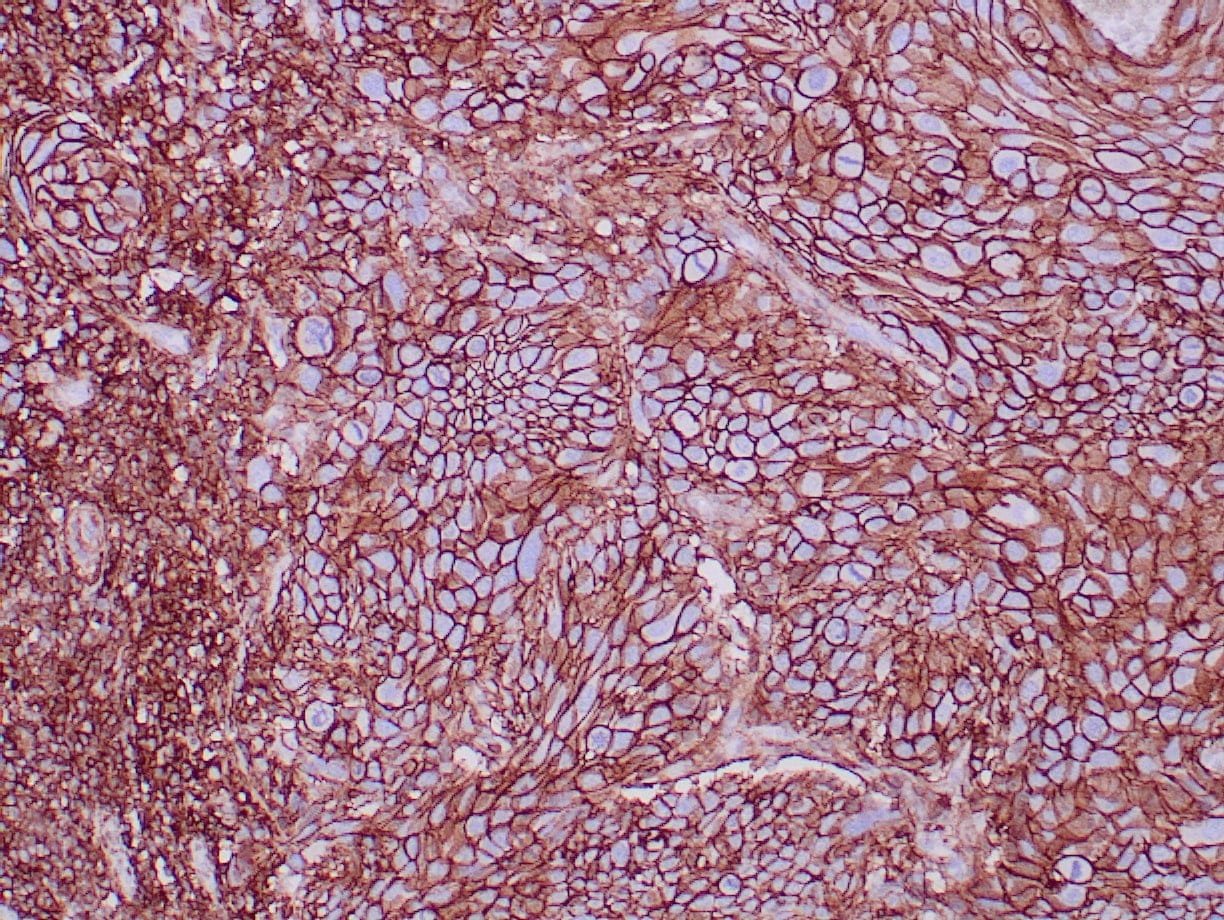 |
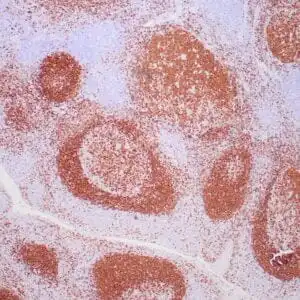
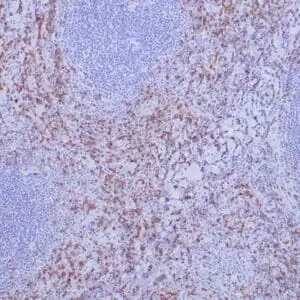
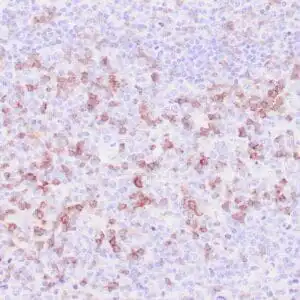
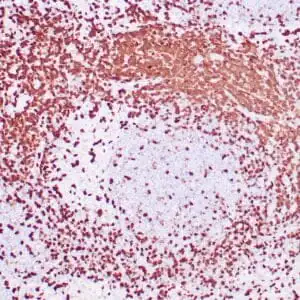
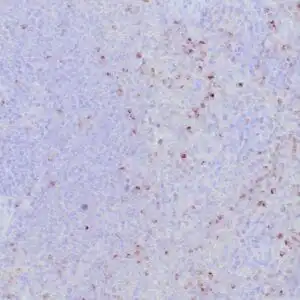
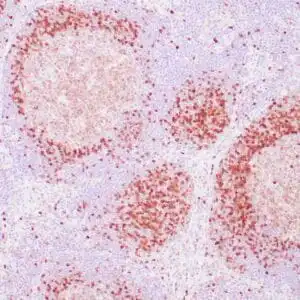
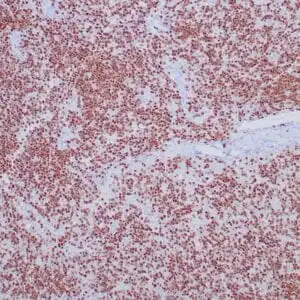
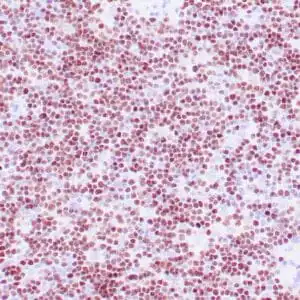
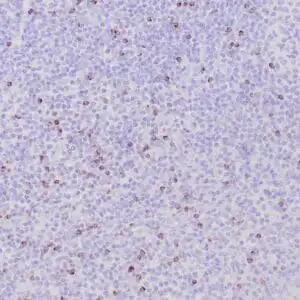
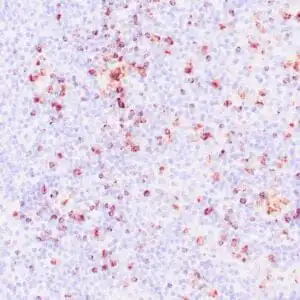
| Formalin-fixed, paraffin-embedded human squamous cell carcinoma stained with anti-CD44 using peroxidase-conjugate and DAB chromogen. Note the cell membrane staining of tumor cells |
FAQ & Publications
Frequently Asked Questions
What species does the rabbit anti-CD44 monoclonal antibody (ZR184) specifically react with?
This antibody specifically reacts with human CD44 antigen.
What are the recommended storage conditions to maintain the stability of the rabbit anti-CD44 monoclonal antibody (ZR184)?
For short term storage, keep the antibody at 2-8°C. For longer term storage, it should be kept at -20°C while avoiding repeated freeze/thaw cycles.
Publications
| pmid | title | authors | citation |
|---|---|---|---|
| We haven't added any publications to our database yet. | |||
Published literature highly relevant to the biological target of this product and referencing this antibody or clone are retrieved from the PubMed database provided by the United States National Library of Medicine at the National Institutes of Health.
Protocols
| relevant to this product |
|---|
| IHC |
Documents
| Batch Number | QC File | SDS |
|---|---|---|
| To view batch-specific Safety Datasheets and Quality Certificates associated with your account, please Log In. | ||
Only logged in customers who have purchased this product may leave a review.


Reviews
There are no reviews yet.