| Weight | 1 lbs |
|---|---|
| Dimensions | 9 × 5 × 2 in |
| host | mouse |
| isotype | IgG |
| clonality | monoclonal |
| concentration | concentrate, predilute |
| applications | IHC |
| reactivity | human |
| available size | 0.1 mL, 0.5 mL, 1 mL concentrated, 7 mL prediluted |

rabbit anti-MUC-6 monoclonal antibody (ZR437) 7272
Price range: $160.00 through $528.00
Antibody summary
- Rabbit monoclonal to MUC-6
- Suitable for: Immunohistochemistry (formalin-fixed, paraffin-embedded tissues)
- Reacts with: Human
- Isotype:IgG
- Control: Stomach
- Visualization: Cytoplasmic
- 0.1, 0.5, 1.0 mL concentrated, 7 mL prediluted
rabbit anti-MUC-6 monoclonal antibody ZR437 7272
| target relevance |
|---|
| Homo sapiens MUC6 Mucin-6 |
| Protein names Mucin-6 |
| Alternative names Gastric mucin-6 |
| Gene names MUC6 |
| Function May provide a mechanism for modulation of the composition of the protective mucus layer related to acid secretion or the presence of bacteria and noxious agents in the lumen. Plays an important role in the cytoprotection of epithelial surfaces and are used as tumor markers in a variety of cancers. May play a role in epithelial organogenesis |
| Subcellular location Secreted |
| Structure Multimer; disulfide-linked |
| Post-translational modification O-glycosylated |
| Keywords Disulfide bond, Glycoprotein, Proteomics identification, Reference proteome, Repeat, Secreted, Signal |
| Sequence MVQRWLLLSCCGALLSAGLANTSYTSPGLQRLKDSPQTAPDKGQCSTWGAGHFSTFDHHV YDFSGTCNYIFAATCKDAFPTFSVQLRRGPDGSISRIIVELGASVVTVSEAIISVKDIGV ISLPYTSNGLQITPFGQSVRLVAKQLELELEVVWGPDSHLMVLVERKYMGQMCGLCGNFD GKVTNEFVSEEGKFLEPHKFAALQKLDDPGEICTFQDIPSTHVRQAQHARICTQLLTLVA PECSVSKEPFVLSCQADVAAAPQPGPQNSSCATLSEYSRQCSMVGQPVRRWRSPGLCSVG QCPANQVYQECGSACVKTCSNPQHSCSSSCTFGCFCPEGTVLNDLSNNHTCVPVTQCPCV LHGAMYAPGEVTIAACQTCRCTLGRWVCTERPCPGHCSLEGGSFVTTFDARPYRFHGTCT YILLQSPQLPEDGALMAVYDKSGVSHSETSLVAVVYLSRQDKIVISQDEVVTNNGEAKWL PYKTRNITVFRQTSTHLQMATSFGLELVVQLRPIFQAYVTVGPQFRGQTRGLCGNFNGDT TDDFTTSMGIAEGTASLFVDSWRAGNCPAALERETDPCSMSQLNKVCAETHCSMLLRTGT VFERCHATVNPAPFYKRCVYQACNYEETFPHICAALGDYVHACSLRGVLLWGWRSSVDNC TIPCTGNTTFSYNSQACERTCLSLSDRATECHHSAVPVDGCNCPDGTYLNQKGECVRKAQ CPCILEGYKFILAEQSTVINGITCHCINGRLSCPQRPQMFLASCQAPKTFKSCSQSSENK FGAACAPTCQMLATGVACVPTKCEPGCVCAEGLYENADGQCVPPEECPCEFSGVSYPGGA ELHTDCRTCSCSRGRWACQQGTHCPSTCTLYGEGHVITFDGQRFVFDGNCEYILATDVCG VNDSQPTFKILTENVICGNSGVTCSRAIKIFLGGLSVVLADRNYTVTGEEPHVQLGVTPG ALSLVVDISIPGRYNLTLIWNRHMTILIRIARASQDPLCGLCGNFNGNMKDDFETRSRYV ASSELELVNSWKESPLCGDVSFVTDPCSLNAFRRSWAERKCSVINSQTFATCHSKVYHLP YYEACVRDACGCDSGGDCECLCDAVAAYAQACLDKGVCVDWRTPAFCPIYCGFYNTHTQD GHGEYQYTQEANCTWHYQPCLCPSQPQSVPGSNIEGCYNCSQDEYFDHEEGVCVPCMPPT TPQPPTTPQLPTTGSRPTQVWPMTGTSTTIGLLSSTGPSPSSNHTPASPTQTPLLPATLT SSKPTASSGEPPRPTTAVTPQATSGLPPTATLRSTATKPTVTQATTRATASTASPATTST AQSTTRTTMTLPTPATSGTSPTLPKSTNQELPGTTATQTTGPRPTPASTTGPTTPQPGQP TRPTATETTQTRTTTEYTTPQTPHTTHSPPTAGSPVPSTGPVTATSFHATTTYPTPSHPE TTLPTHVPPFSTSLVTPSTHTVITPTHAQMATSASNHSAPTGTIPPPTTLKATGSTHTAP PITPTTSGTSQAHSSFSTNKTPTSLHSHTSSTHHPEVTPTSTTTITPNPTSTRTRTPVAH TNSATSSRPPPPFTTHSPPTGSSPFSSTGPMTATSFKTTTTYPTPSHPQTTLPTHVPPFS TSLVTPSTHTVITPTHAQMATSASIHSMPTGTIPPPTTLKATGSTHTAPTMTLTTSGTSQ ALSSLNTAKTSTSLHSHTSSTHHAEATSTSTTNITPNPTSTGTPPMTVTTSGTSQSRSSF STAKTSTSLHSHTSSTHHPEVTSTSTTSITPNHTSTGTRTPVAHTTSATSSRLPTPFTTH SPPTGTTPISSTGPVTATSFQTTTTYPTPSHPHTTLPTHVPSFSTSLVTPSTHTVIIPTH TQMATSASIHSMPTGTIPPPTTIKATGSTHTAPPMTPTTSGTSQSPSSFSTAKTSTSLPY HTSSTHHPEVTPTSTTNITPKHTSTGTRTPVAHTTSASSSRLPTPFTTHSPPTGSSPFSS TGPMTATSFQTTTTYPTPSHPQTTLPTHVPPFSTSLVTPSTHTVIITTHTQMATSASIHS TPTGTVPPPTTLKATGSTHTAPPMTVTTSGTSQTHSSFSTATASSSFISSSSWLPQNSSS RPPSSPITTQLPHLSSATTPVSTTNQLSSSFSPSPSAPSTVSSYVPSSHSSPQTSSPSVG TSSSFVSAPVHSTTLSSGSHSSLSTHPTTASVSASPLFPSSPAASTTIRATLPHTISSPF TLSALLPISTVTVSPTPSSHLASSTIAFPSTPRTTASTHTAPAFSSQSTTSRSTSLTTRV PTSGFVSLTSGVTGIPTSPVTNLTTRHPGPTLSPTTRFLTSSLTAHGSTPASAPVSSLGT PTPTSPGVCSVREQQEEITFKGCMANVTVTRCEGACISAASFNIITQQVDARCSCCRPLH SYEQQLELPCPDPSTPGRRLVLTLQVFSHCVCSSVACGD |
| UniProt accession: Q6W4X9 |
Data
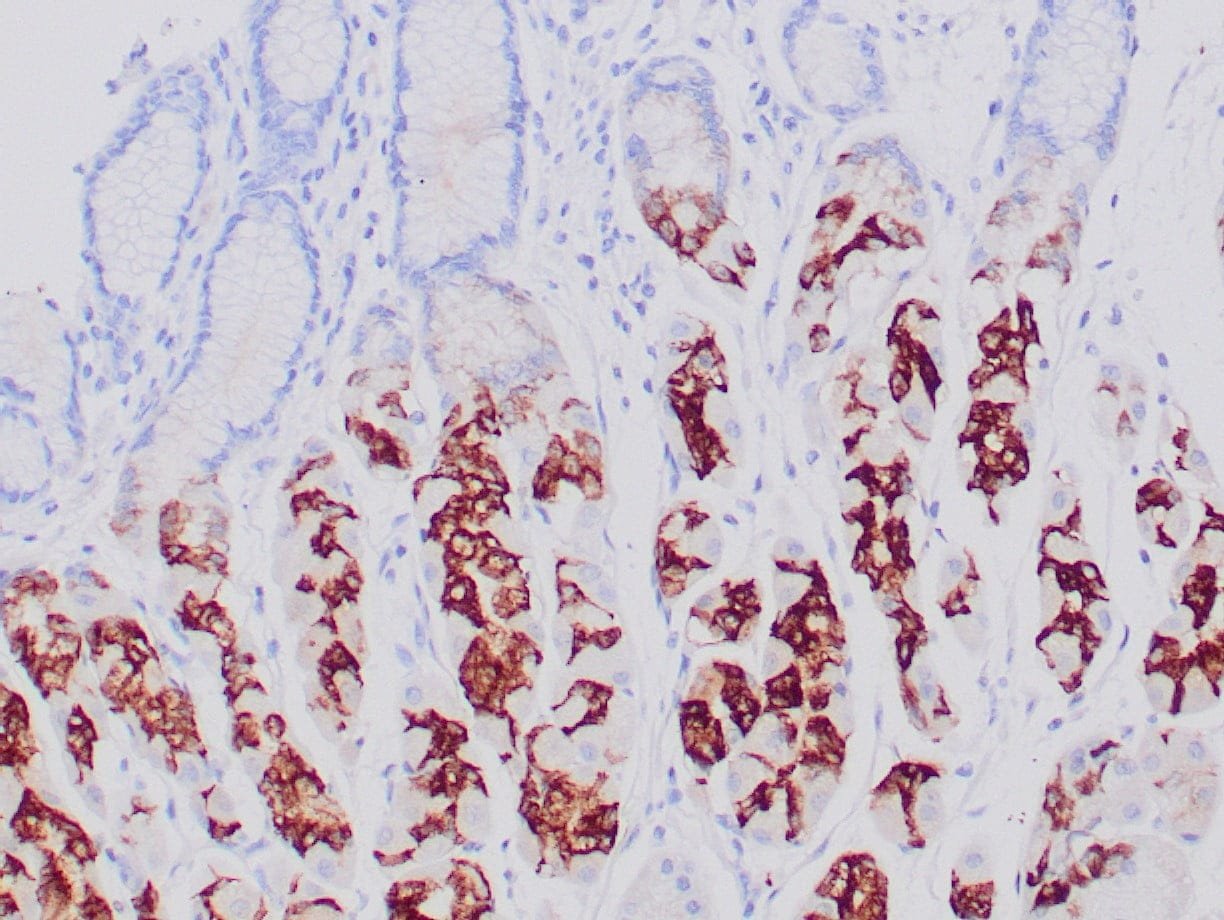 |
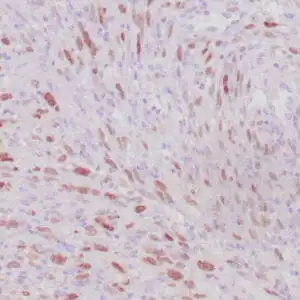
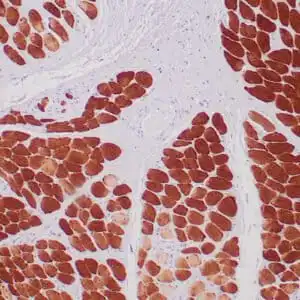
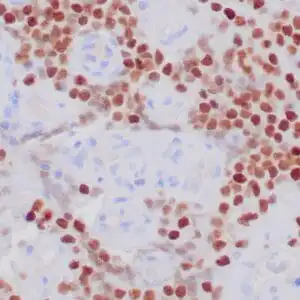
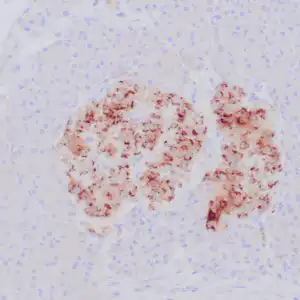
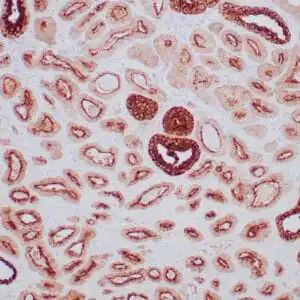
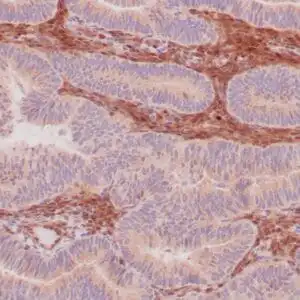
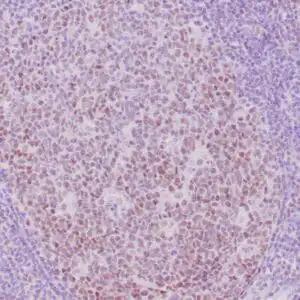
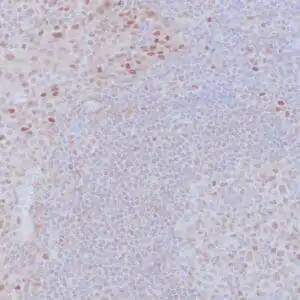
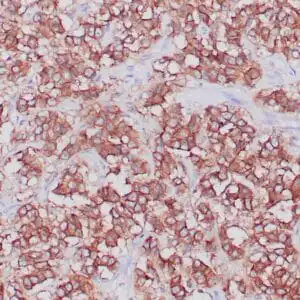
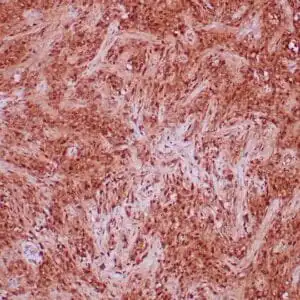
| Human gastric mucosa stained with anti-MUC-6 antibody using peroxidase-conjugate and DAB chromogen. Note the cytoplasmic staining of glandular cells. |
FAQ & Publications
Frequently Asked Questions
What species does the rabbit anti-MUC-6 monoclonal antibody (ZR437) specifically react with?
This antibody specifically reacts with human tissues.
For which application is the rabbit anti-MUC-6 monoclonal antibody (ZR437) validated and recommended?
It is validated and recommended for immunohistochemistry (IHC) on formalin-fixed, paraffin-embedded tissues.
How should the rabbit anti-MUC-6 monoclonal antibody be stored to maintain stability?
For short-term storage, keep the antibody at 2-8°C; for long-term storage, store at -20°C and avoid repeated freeze-thaw cycles.
What is the recommended dilution range for using the concentrated form of the rabbit anti-MUC-6 monoclonal antibody in IHC?
The concentrated antibody should be diluted at a ratio of 1:100 to 1:200 for immunohistochemistry applications.
Publications
| pmid | title | authors | citation |
|---|---|---|---|
| We haven't added any publications to our database yet. | |||
Published literature highly relevant to the biological target of this product and referencing this antibody or clone are retrieved from the PubMed database provided by the United States National Library of Medicine at the National Institutes of Health.
Protocols
| relevant to this product |
|---|
| IHC |
Documents
| Batch Number | QC File | SDS |
|---|---|---|
| To view batch-specific Safety Datasheets and Quality Certificates associated with your account, please Log In. | ||
Only logged in customers who have purchased this product may leave a review.


Reviews
There are no reviews yet.