| Weight | 1 lbs |
|---|---|
| Dimensions | 9 × 5 × 2 in |
| host | mouse |
| isotype | IgG1 |
| clonality | monoclonal |
| concentration | 1 mg/mL |
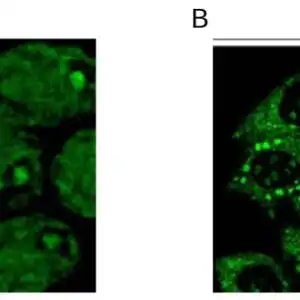
| applications | ICC/IF, WB |
| reactivity | Clostridium tetani Toxin |
| available sizes | 1 mg |

mouse anti-Clostridium tetani Toxin monoclonal antibody (B417M) 7004
$9,999.00
Antibody summary
- Mouse monoclonal to Clostridium tetani Toxin
- Suitable for:
- Isotype: IgG1
- 1 mg
mouse anti-Clostridium tetani Toxin monoclonal antibody (B417M) 7004
| antibody |
|---|
| Tested applications #VALUE! |
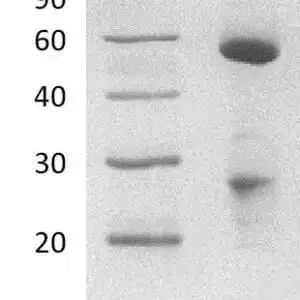
| Recommended dilutions ELISAImmunoblotting A band of ~150,000 is detected. End users should determine optimal dilutions for their applications. |
| Immunogen Toxin purified from culture filtrate of C. tetani. |
| Size and concentration 1mg and lot specific |
| Form liquid |
| Storage Instructions This antibody is stable for at least one (1) year at -20° to -70°C. Store product in appropriate aliquots to avoid multiple freeze-thaw cycles. |
| Storage buffer PBS, pH 7.4. |
| Purity immunogen affinity purification |
| Clonality monoclonal |
| Isotype IgG1 |
| Compatible secondaries goat anti-mouse IgG, H&L chain specific, peroxidase conjugated polyclonal antibody 5486 goat anti-mouse IgG, H&L chain specific, biotin conjugated, Conjugate polyclonal antibody 2685 goat anti-mouse IgG, H&L chain specific, FITC conjugated polyclonal antibody 7854 goat anti-mouse IgG, H&L chain specific, peroxidase conjugated polyclonal antibody, crossabsorbed 1706 goat anti-mouse IgG, H&L chain specific, biotin conjugated polyclonal antibody, crossabsorbed 1716 goat anti-mouse IgG, H&L chain specific, FITC conjugated polyclonal antibody, crossabsorbed 1721 |
| Isotype control Mouse monocolonal IgG1 - Isotype Control |
| target relevance |
|---|
| Clostridium tetani (strain Massachusetts / E88) TETX Tetanus toxin |
| Protein names Tetanus toxin |
| Alternative names Tentoxylysin |
| Gene names tetX |
| Protein family Belongs to the peptidase M27 family |
| Function Tetanus toxin acts by inhibiting neurotransmitter release. It binds to peripheral neuronal synapses, is internalized and moves by retrograde transport up the axon into the spinal cord where it can move between postsynaptic and presynaptic neurons. It inhibits neurotransmitter release by acting as a zinc endopeptidase that catalyzes the hydrolysis of the '76-Gln-|-Phe-77' bond of synaptobrevin-2 |
| Catalytic activity Hydrolysis of 76-Gln-|-Phe-77 bond in synaptobrevin 2. |
| Structure The precursor polypeptide is subsequently cleaved to yield subchains L and H. These remain linked by a disulfide bridge and are non-toxic after separation |
| Keywords 3D-structure, Direct protein sequencing, Disulfide bond, Hydrolase, Metal-binding, Metalloprotease, Neurotoxin, Plasmid, Protease, Reference proteome, Toxin, Virulence, Zinc |
| Sequence MPITINNFRYSDPVNNDTIIMMEPPYCKGLDIYYKAFKITDRIWIVPERYEFGTKPEDFN PPSSLIEGASEYYDPNYLRTDSDKDRFLQTMVKLFNRIKNNVAGEALLDKIINAIPYLGN SYSLLDKFDTNSNSVSFNLLEQDPSGATTKSAMLTNLIIFGPGPVLNKNEVRGIVLRVDN KNYFPCRDGFGSIMQMAFCPEYVPTFDNVIENITSLTIGKSKYFQDPALLLMHELIHVLH GLYGMQVSSHEIIPSKQEIYMQHTYPISAEELFTFGGQDANLISIDIKNDLYEKTLNDYK AIANKLSQVTSCNDPNIDIDSYKQIYQQKYQFDKDSNGQYIVNEDKFQILYNSIMYGFTE IELGKKFNIKTRLSYFSMNHDPVKIPNLLDDTIYNDTEGFNIESKDLKSEYKGQNMRVNT NAFRNVDGSGLVSKLIGLCKKIIPPTNIRENLYNRTASLTDLGGELCIKIKNEDLTFIAE KNSFSEEPFQDEIVSYNTKNKPLNFNYSLDKIIVDYNLQSKITLPNDRTTPVTKGIPYAP EYKSNAASTIEIHNIDDNTIYQYLYAQKSPTTLQRITMTNSVDDALINSTKIYSYFPSVI SKVNQGAQGILFLQWVRDIIDDFTNESSQKTTIDKISDVSTIVPYIGPALNIVKQGYEGN FIGALETTGVVLLLEYIPEITLPVIAALSIAESSTQKEKIIKTIDNFLEKRYEKWIEVYK LVKAKWLGTVNTQFQKRSYQMYRSLEYQVDAIKKIIDYEYKIYSGPDKEQIADEINNLKN KLEEKANKAMININIFMRESSRSFLVNQMINEAKKQLLEFDTQSKNILMQYIKANSKFIG ITELKKLESKINKVFSTPIPFSYSKNLDCWVDNEEDIDVILKKSTILNLDINNDIISDIS GFNSSVITYPDAQLVPGINGKAIHLVNNESSEVIVHKAMDIEYNDMFNNFTVSFWLRVPK VSASHLEQYGTNEYSIISSMKKHSLSIGSGWSVSLKGNNLIWTLKDSAGEVRQITFRDLP DKFNAYLANKWVFITITNDRLSSANLYINGVLMGSAEITGLGAIREDNNITLKLDRCNNN NQYVSIDKFRIFCKALNPKEIEKLYTSYLSITFLRDFWGNPLRYDTEYYLIPVASSSKDV QLKNITDYMYLTNAPSYTNGKLNIYYRRLYNGLKFIIKRYTPNNEIDSFVKSGDFIKLYV SYNNNEHIVGYPKDGNAFNNLDRILRVGYNAPGIPLYKKMEAVKLRDLKTYSVQLKLYDD KNASLGLVGTHNGQIGNDPNRDILIASNWYFNHLKDKILGCDWYFVPTDEGWTND |
| UniProt accession: P04958 |
Data
| No results found |
FAQ & Publications
Frequently Asked Questions
What applications has the mouse anti-Clostridium tetani Toxin monoclonal antibody (B417M) been tested for?
This monoclonal antibody has been tested for use in immunocytochemistry/immunofluorescence (ICC/IF) and Western blotting (WB) applications.
How should the mouse anti-Clostridium tetani Toxin monoclonal antibody (B417M) be stored to maintain stability?
The antibody should be stored in aliquots at temperatures between -20°C and -70°C to prevent multiple freeze-thaw cycles, ensuring stability for at least one year.
Publications
| pmid | title | authors | citation |
|---|---|---|---|
| We haven't added any publications to our database yet. | |||
Published literature highly relevant to the biological target of this product and referencing this antibody or clone are retrieved from the PubMed database provided by the United States National Library of Medicine at the National Institutes of Health.
Protocols
| relevant to this product |
|---|
| Western blot IHC ICC |
Documents
| Batch Number | QC File | SDS |
|---|---|---|
| To view batch-specific Safety Datasheets and Quality Certificates associated with your account, please Log In. | ||
Only logged in customers who have purchased this product may leave a review.


Reviews
There are no reviews yet.