| Weight | 1 lbs |
|---|---|
| Dimensions | 9 × 5 × 2 in |
| target | Varicella-Zoster Virus Glycoprotein |
| species reactivity | Varicella-Zoster Virus |
| applications | ELISA |
| assay type | Indirect & quantitative |
| available size | 1 mg |

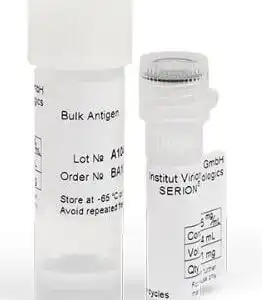
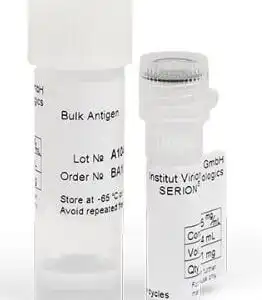
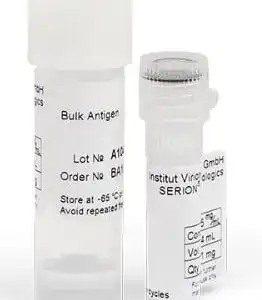
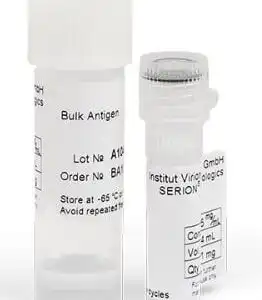
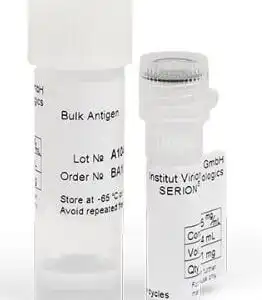
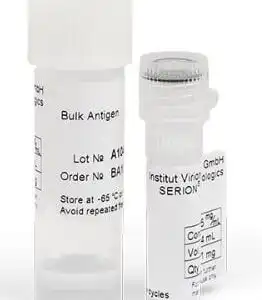
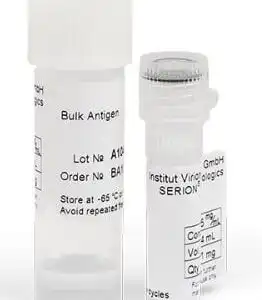
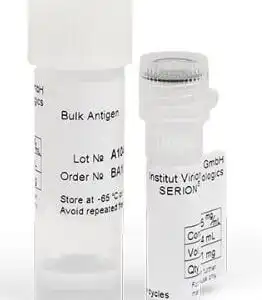
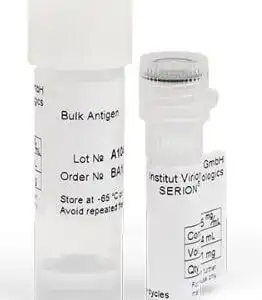
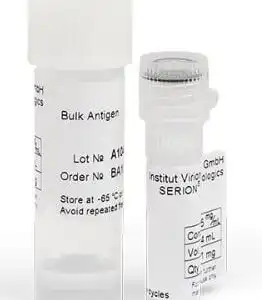
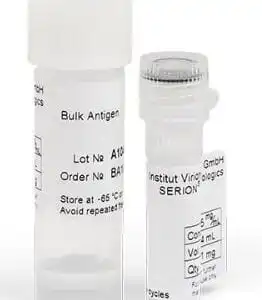
Varicella-Zoster Virus Glycoprotein Antigen BA104VSG
$1,240.00
Summary
- Virion/Serion Immunologics Antigen for research use (RUO)
- Varicella-Zoster Virus Glycoprotein Antigen, recombinant
- Suitable for detection of IgA, IgG & IgM antibodies in ELISA
- Lot specific concentration, specified in mg/mL
- 1 mg
Varicella-Zoster Virus Glycoprotein Antigen BA104VSG
| kit |
|---|
| Research area Infectious Disease |
| Storage Store at -65°C or lower. Avoid repeated freeze-thaw cycles. Sonicate before use. 10 years from date of manufacture (under recommended storage conditions). |
| Form liquid |
| Associated products Varicella Zoster Virus (VZV) Envelope Glycoprotein E Control Antigen (BA104R02) Varicella-Zoster Virus Antigen (BA104VS) Varicella-Zoster Virus Glycoprotein Antigen (BA104VSG) Varicella-Zoster Virus IgA Control Serum (BC104A) Varicella-Zoster Virus IgG Control Serum (BC104G) Varicella-Zoster Virus IgM Control Serum (BC104M) Varicella-Zoster Virus IgA ELISA Kit (ESR104A) Varicella-Zoster Virus IgG ELISA Kit (ESR104G) Varicella-Zoster Virus IgM ELISA Kit (ESR104M) |
| target relevance |
|---|
| Varicella-ZosterVirus |
| Description Virus that causes chickenpox (varicella) and shingles (herpes zoster) |
| Structure Varicella-zoster virus (VZV), also known as Human herpesvirus 3 (HHV-3), is an enveloped, double-stranded DNA virus belonging to the genus Varicellovirus within the family Herpesviridae. The viral genome is enclosed within an icosahedral capsid surrounded by a protein tegument and a lipid envelope containing multiple glycoproteins that mediate host cell attachment and entry. Humans are the only known natural reservoir of the virus. Primary infection results in varicella (chickenpox), after which the virus establishes lifelong latency within sensory nerve ganglia. Reactivation of latent virus later in life results in herpes zoster (shingles). Varicella-zoster virus is highly contagious and spreads primarily through respiratory droplets, aerosolized virus from skin lesions, and direct contact with vesicular fluid. |
| Diagnosis The diagnosis of varicella-zoster virus infection is performed through clinical evaluation, molecular testing, and serological methods. Polymerase chain reaction (PCR) is the preferred laboratory method due to its high sensitivity and specificity and can detect VZV DNA in vesicular fluid, lesion swabs, cerebrospinal fluid, blood, and tissue specimens. Direct fluorescent antibody testing and viral culture may also be used but are less sensitive than PCR. Serological assays, including ELISA-based tests, can detect VZV-specific IgM and IgG antibodies and are useful for determining immune status, previous exposure, or vaccine response. Laboratory confirmation is particularly important in atypical cases, immunocompromised patients, and individuals with suspected neurological complications. |
| Symptoms Primary infection with varicella-zoster virus typically develops after an incubation period of approximately ten to twenty-one days and presents as chickenpox, characterized by fever, malaise, headache, and a generalized pruritic vesicular rash that progresses through macular, papular, vesicular, and crusting stages. Following recovery, the virus remains latent in sensory ganglia and may reactivate years or decades later as shingles. Herpes zoster is characterized by painful, unilateral vesicular eruptions distributed along affected dermatomes and is often preceded by burning, tingling, or localized pain. Complications of VZV infection include secondary bacterial skin infections, pneumonia, encephalitis, meningitis, cerebellitis, vision-threatening ophthalmic zoster, and postherpetic neuralgia, a chronic pain syndrome that may persist long after skin lesions have resolved. Severe disease is more common in elderly individuals, pregnant women, newborns, and immunocompromised patients. |
Data
FAQ & Publications
Frequently Asked Questions
What is the primary application of the Varicella-Zoster Virus Glycoprotein Antigen BA104VSG?
The Varicella-Zoster Virus Glycoprotein Antigen BA104VSG is primarily used in ELISA assays for the detection of IgA, IgG, and IgM antibodies.
How should the Varicella-Zoster Virus Glycoprotein Antigen BA104VSG be stored to maintain its stability?
This antigen should be stored at -65°C or lower and should be protected from repeated freeze-thaw cycles. It is recommended to sonicate the antigen before use to ensure proper dispersion.
Is the Varicella-Zoster Virus Glycoprotein Antigen BA104VSG specific to any species?
Yes, the antigen is specific to Varicella-Zoster Virus, which is species-specific to humans.
What concentration information is provided for the Varicella-Zoster Virus Glycoprotein Antigen BA104VSG?
The product includes a lot-specific concentration that is specified in mg/mL for each batch.
Publications
| pmid | title | authors | citation |
|---|---|---|---|
| We haven't added any publications to our database yet. | |||
Published literature highly relevant to the biological target of this product and referencing this antibody or clone are retrieved from the PubMed database provided by the United States National Library of Medicine at the National Institutes of Health.
Protocols
| relevant to this product |
|---|
Only logged in customers who have purchased this product may leave a review.

Reviews
There are no reviews yet.