| Weight | 1 lbs |
|---|---|
| Dimensions | 9 × 5 × 2 in |
| target | Diphtheria Toxoid |
| species reactivity | Corynebacterium diphtheriae |
| applications | ELISA |
| assay type | Indirect & quantitative |
| available size | 1 mg |

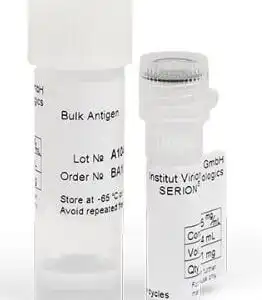
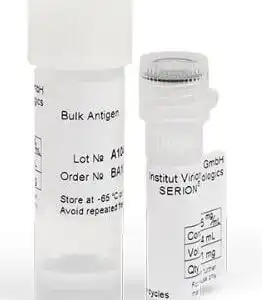
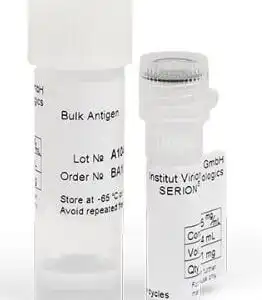
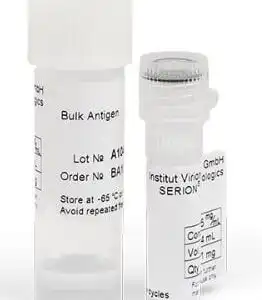
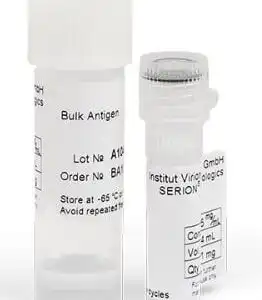
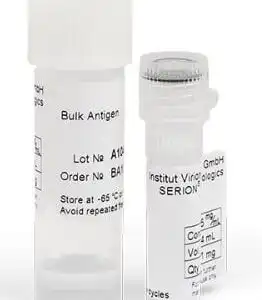
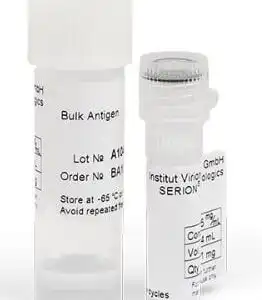
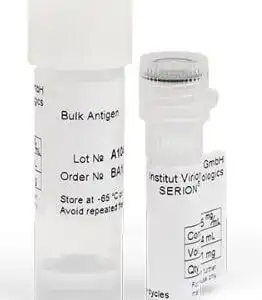
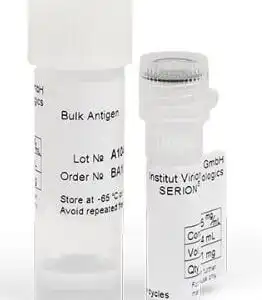
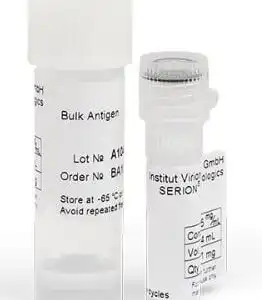
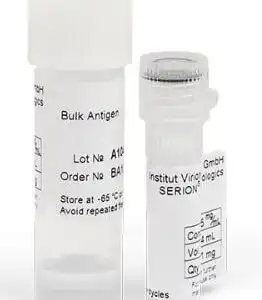
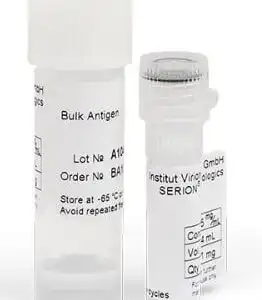
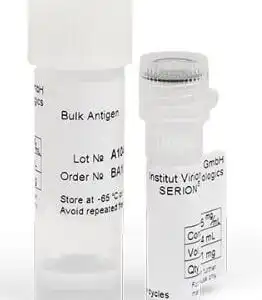
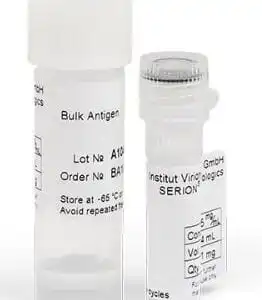
Diphtheria Toxoid Control Antigen BA130VS
$858.00
Summary
- Virion/Serion Diagnostic Kit Control for research use (RUO)
- Diphtheria Toxoid Control Antigen, recombinant
- Suitable for detection of IgA, IgG & IgM antibodies in ELISA
- Lot specific concentration, specified in mg/mL
- 1 mg
Diphtheria Toxoid Control Antigen BA130VS
| kit |
|---|
| Research area Infectious Disease |
| Storage Store at -65°C. Avoid freeze/thaw cycles. Sonicate before use. |
| Form liquid |
| Associated products Diphtheria Toxoid Control Antigen (BA130VS) Diphtheria IgG Control Serum (BC130G) Corynebacteria dyptheriae IgG ELISA Kit (ESR130G) |
| target relevance |
|---|
| Corynebacterium diphtheriae |
| Description Bacterium that causes diphtheria |
| Structure Corynebacterium diphtheriae is a Gram-positive, non-spore-forming, non-motile, aerobic or facultatively anaerobic bacillus belonging to the family Corynebacteriaceae. The organism characteristically appears as club-shaped rods arranged in palisades or angular 'Chinese letter' formations when observed microscopically. C. diphtheriae colonizes the mucous membranes of the upper respiratory tract and, less commonly, the skin. The pathogenicity of the bacterium is primarily determined by its ability to produce diphtheria toxin, a potent exotoxin encoded by a lysogenic bacteriophage. This toxin inhibits protein synthesis within host cells, leading to local tissue necrosis and systemic toxicity. Humans are the principal reservoir of C. diphtheriae, and transmission occurs through respiratory droplets, direct contact with infected individuals, or contact with contaminated materials. |
| Diagnosis The diagnosis of Corynebacterium diphtheriae infection is performed through clinical assessment, microbiological culture, and toxin detection methods. Isolation of the organism from throat swabs, nasopharyngeal specimens, or skin lesions on selective media remains an important diagnostic approach. Laboratory identification is followed by testing to determine whether the isolate produces diphtheria toxin, commonly using the Elek immunodiffusion test, polymerase chain reaction (PCR) detection of the tox gene, or other specialized assays. Clinical suspicion is critical because treatment should not be delayed while awaiting laboratory confirmation. Additional laboratory findings may include elevated inflammatory markers and evidence of organ involvement in severe cases. |
| Symptoms Diphtheria typically develops following an incubation period of two to five days. Respiratory diphtheria commonly presents with sore throat, fever, malaise, difficulty swallowing, and cervical lymphadenopathy. A characteristic gray-white pseudomembrane may form on the tonsils, pharynx, or larynx and can cause airway obstruction if extensive. Neck swelling resulting from severe lymphadenopathy and soft tissue edema may produce the classic 'bull neck' appearance. Systemic absorption of diphtheria toxin can lead to myocarditis, cardiac arrhythmias, heart failure, peripheral neuropathy, cranial nerve dysfunction, and paralysis. Cutaneous diphtheria presents as chronic skin ulcers covered by a gray membrane. Without prompt treatment, severe diphtheria can result in respiratory failure, multi-organ complications, and death. |
Data
FAQ & Publications
Frequently Asked Questions
What is the recommended storage condition for the Diphtheria Toxoid Control Antigen BA130VS to maintain its stability?
The Diphtheria Toxoid Control Antigen BA130VS should be stored at -65°C and freeze/thaw cycles must be avoided. It is also recommended to sonicate the antigen before use to ensure proper resuspension.
For which immunoglobulin classes is the Diphtheria Toxoid Control Antigen BA130VS suitable for detection in ELISA assays?
The Diphtheria Toxoid Control Antigen BA130VS is suitable for the detection of IgA, IgG, and IgM antibodies in ELISA assays, enabling indirect and quantitative measurement.
Publications
| pmid | title | authors | citation |
|---|---|---|---|
| We haven't added any publications to our database yet. | |||
Published literature highly relevant to the biological target of this product and referencing this antibody or clone are retrieved from the PubMed database provided by the United States National Library of Medicine at the National Institutes of Health.
Protocols
| relevant to this product |
|---|
Only logged in customers who have purchased this product may leave a review.

Reviews
There are no reviews yet.